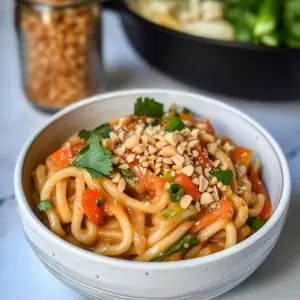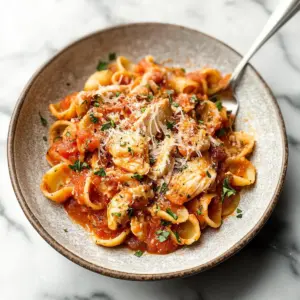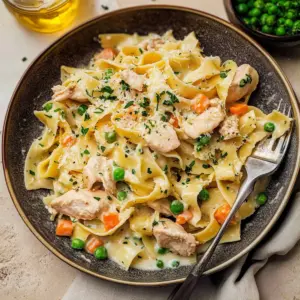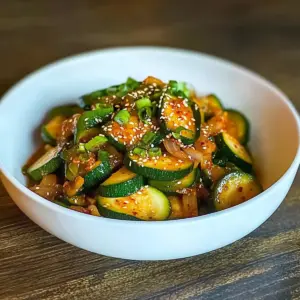

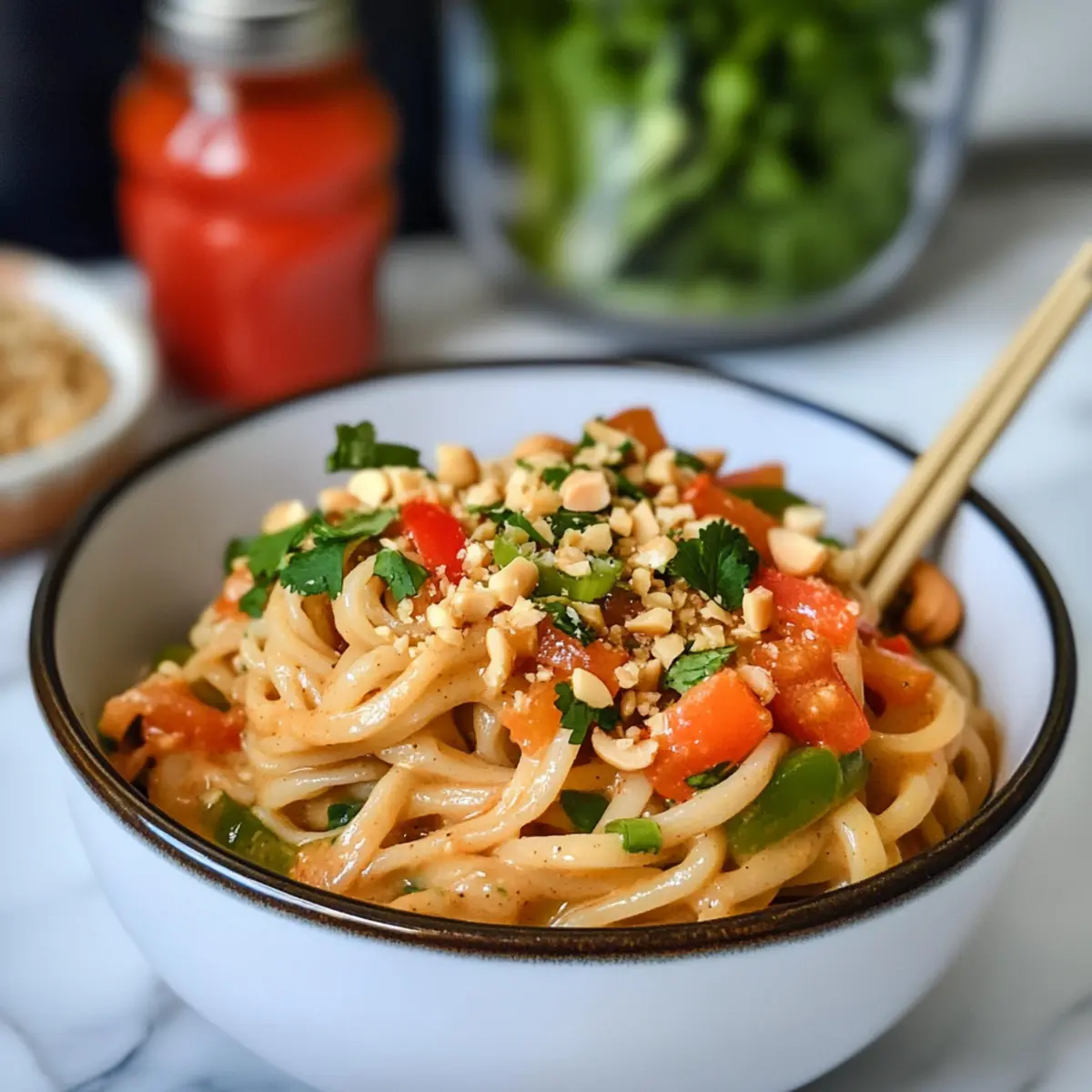
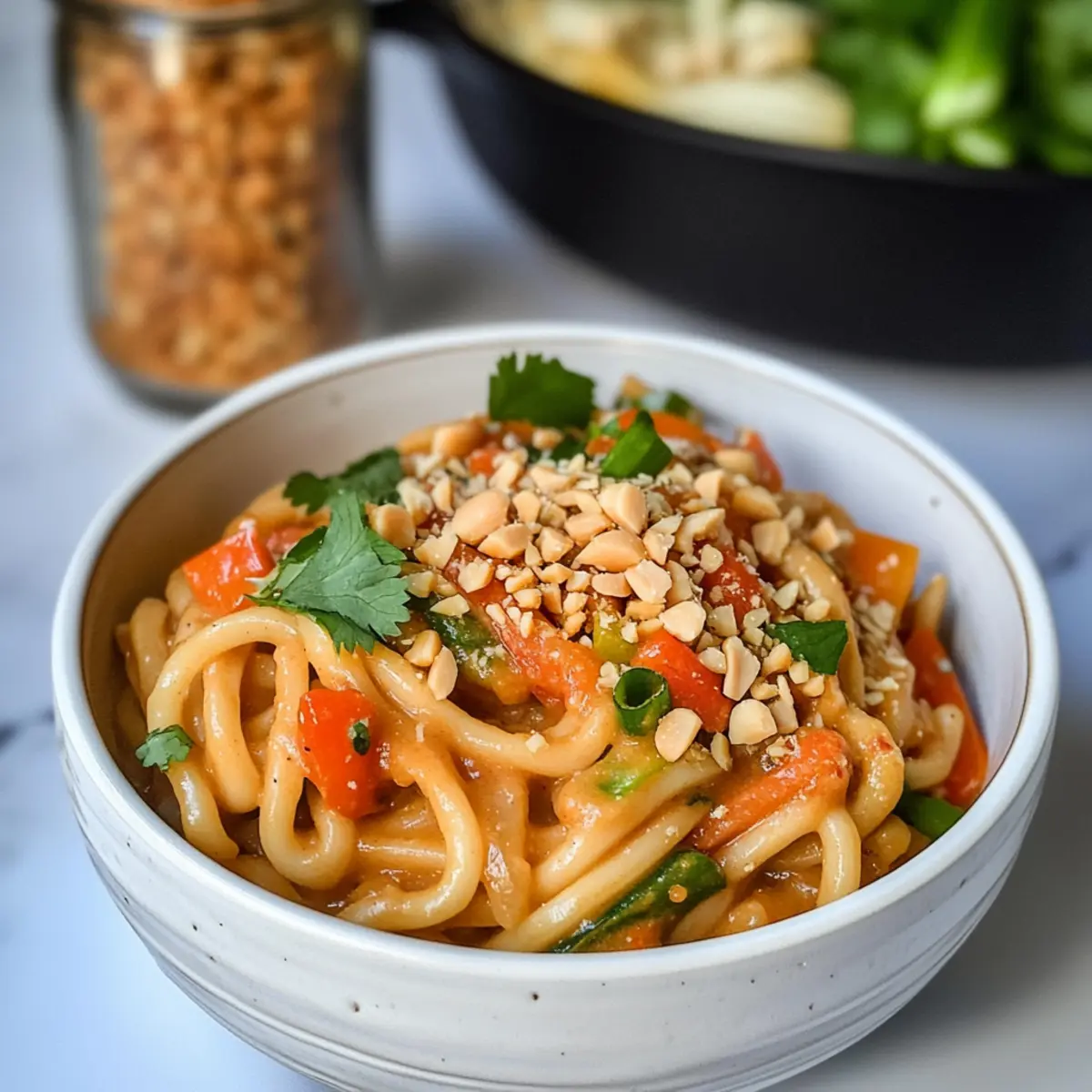
As the fragrant aroma of sizzling garlic and ginger fills the air, my kitchen transforms into a bustling Thai street market. I’m about to whip up some Quick and Easy Spicy Thai Peanut Noodles, a burst of flavor that’s ready to indulge your senses in just 25 minutes! Not only does this dish offer a delightful twist on your typical weeknight dinner, but it’s also vegetarian-friendly and effortlessly adaptable to whatever fresh veggies or proteins you want to use. Whether you’re a busy home chef looking to make mealtimes exciting or someone in search of a satisfying meal prep option, these noodles deliver on every front. Curious how you can elevate your dinner game with just a handful of ingredients? Let’s dive in!
Why are Spicy Thai Peanut Noodles a Must-Try?
Satisfying and Quick: Ready in just 25 minutes, these noodles provide a delicious and speedy meal option for busy nights.
Veggie-Loaded Goodness: Packed with fresh vegetables like bell peppers and carrots, it’s a colorful dish that’s as nutritious as it is tasty.
Customization Galore: Easily adaptable, swap ingredients based on what’s in your fridge or dietary needs, making it perfect for everyone!
Rich Peanut Flavor: The creamy peanut sauce satisfies cravings while being a delightful departure from ordinary takeout.
Crowd-Pleaser: Whether you’re hosting a family dinner or a gathering with friends, this dish is sure to impress and please a variety of palates.
For more easy meal ideas, check out our guide on quick vegetarian dinners.
Spicy Thai Peanut Noodles Ingredients
Unlock the flavors of this vibrant dish with fresh ingredients!
For the Noodles
• Udon Noodles – A chewy base for your dish; substitute with rice noodles for a gluten-free option.
For the Vegetables
• Bell Peppers – Provides color and crunch; feel free to use zucchini for a different texture.
• Carrots – Offers natural sweetness; use shredded carrots for easy mixing.
• Green Onions – Adds a fresh note; shallots work well too if you prefer something stronger.
• Cilantro – Enhances brightness; you can swap it out for basil for a unique flavor.
For the Peanut Sauce
• Creamy Peanut Butter – Richness and flavor base; almond butter makes a fine substitute.
• Soy Sauce – Adds essential umami; opt for tamari if you’re going gluten-free.
• Rice Wine Vinegar – Balances the flavors; apple cider vinegar is a great alternative.
• Sesame Oil – Imparts a nutty essence; omit it if it’s not on hand.
• Brown Sugar or Honey – Sweetness to balance flavors; maple syrup offers a vegan choice.
• Sambal or Sriracha – Introduces heat; adjust according to your spice preference.
• Garlic – Boosts depth of flavor; garlic powder is a handy substitute.
• Ginger – Provides warmth and spice; fresh ginger is preferred but ground works too.
• Water – To thin the sauce, add more for desired consistency.
For Garnishing
• Salted Roasted Peanuts – Adds crunch; using unsalted peanuts helps lower sodium.
• Additional Cilantro – For fresh topping that brightens each bite; optional but recommended!
Step-by-Step Instructions for Quick and Easy Spicy Thai Peanut Noodles
Step 1: Cook the Noodles
Begin by boiling a pot of water and adding your udon noodles. Cook according to the package instructions, usually about 7–10 minutes, until tender but slightly chewy. Once done, drain the noodles and toss them with a drizzle of oil to prevent sticking while you prepare the rest of the dish.
Step 2: Prepare the Peanut Sauce
In a medium bowl, combine the creamy peanut butter, soy sauce, rice wine vinegar, sesame oil, brown sugar or honey, sambal or sriracha, crushed garlic, and grated ginger. Whisk the ingredients together until the mixture is smooth and well-combined, adjusting the thickness with water as needed. Set this deliciously rich peanut sauce aside for later.
Step 3: Stir-Fry the Vegetables
Heat a tablespoon of oil in a large skillet or wok over high heat. Once hot, add the sliced bell peppers, carrots, and green onions. Stir-fry the vegetables for about 3–5 minutes until they soften slightly but still maintain some crunch, looking vibrant and colorful. This mix will enhance your Quick and Easy Spicy Thai Peanut Noodles with fantastic texture and flavor.
Step 4: Combine Noodles and Sauce
Add the cooked udon noodles to the skillet with the stir-fried vegetables. Pour the prepared peanut sauce over the top and toss everything together gently, ensuring the noodles and vegetables are evenly coated in that luscious peanut goodness. Cook for an additional 2-3 minutes, allowing the flavors to meld.
Step 5: Garnish and Serve
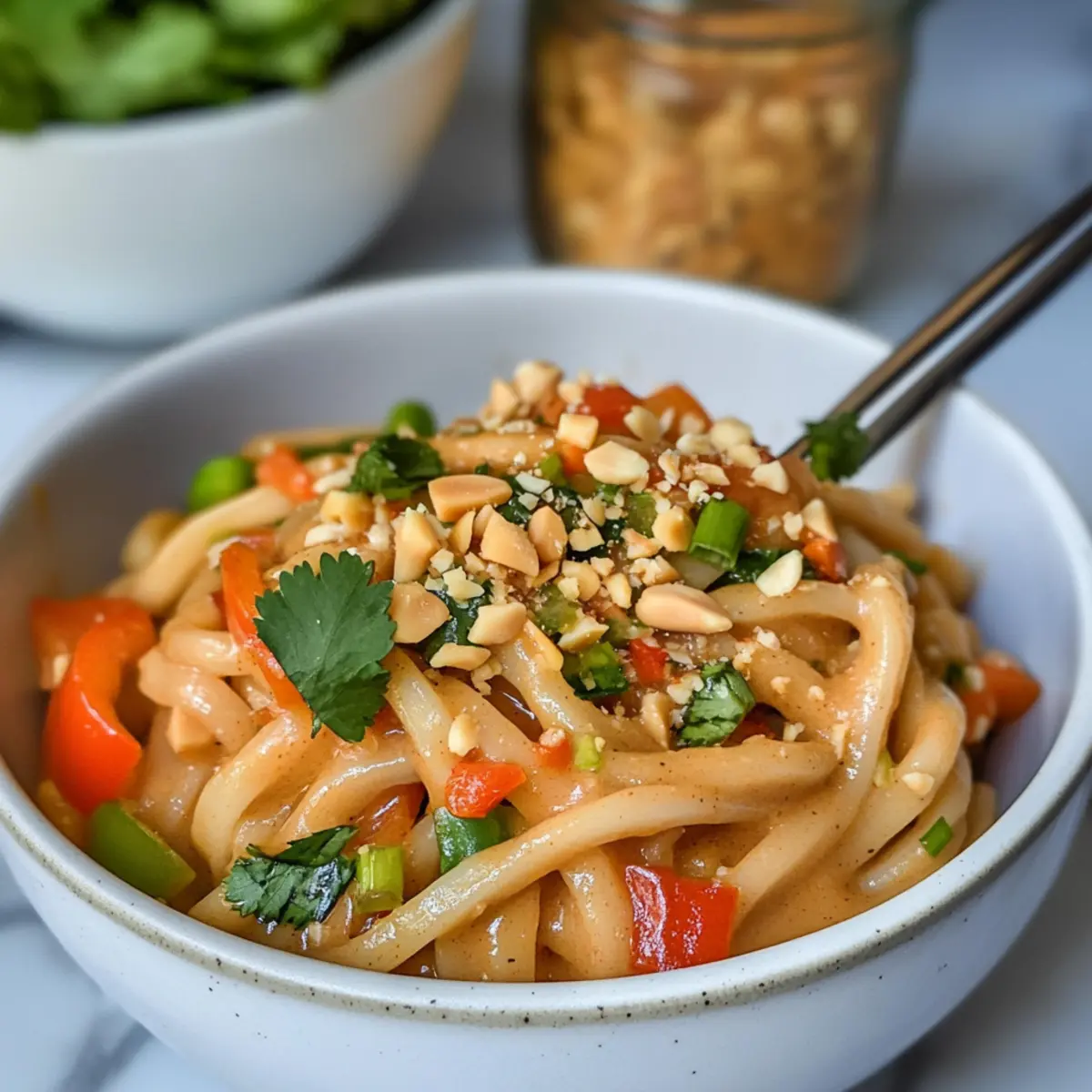
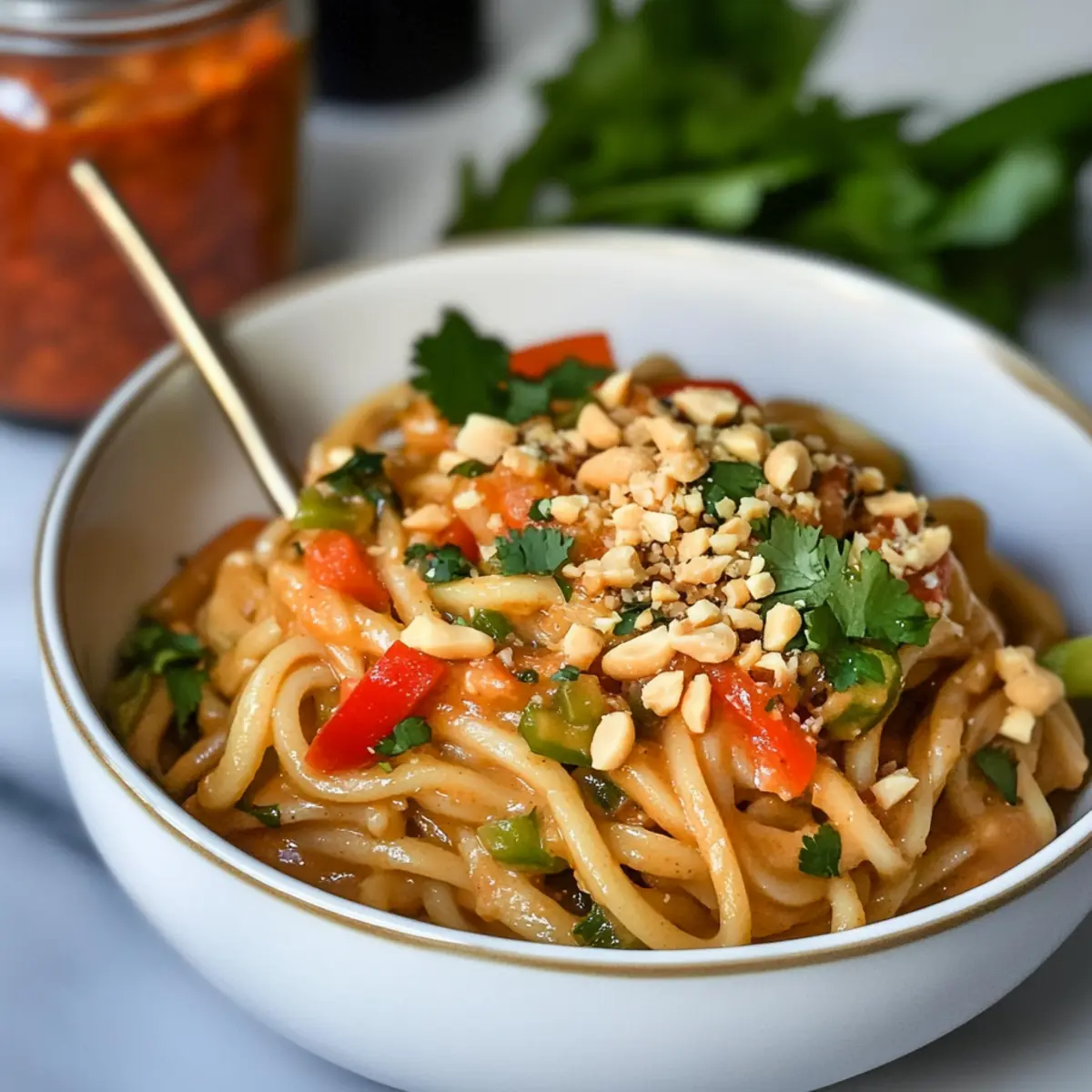
Remove the skillet from heat and transfer your delectable Spicy Thai Peanut Noodles to serving plates. Sprinkle with chopped cilantro and salted roasted peanuts for added crunch and flavor. If desired, top with toasted sesame seeds and extra green onions to elevate the presentation. Enjoy this colorful dish warm, bursting with deliciousness!
Spicy Thai Peanut Noodles Variations & Substitutions
Feel free to get creative with this recipe and make it your own—there are endless ways to tailor it to your preferences!
-
Gluten-Free: Use rice noodles or glass noodles instead of udon for a gluten-friendly option that still delivers on taste.
-
Vegetable Swap: Substitute any seasonal veggies you have on hand, like broccoli, snow peas, or bok choy, for added nutrients and variety.
-
Protein Packed: Add grilled chicken, shrimp, or cubed tofu to boost the protein content and turn this dish into a heartier meal.
-
Nut-Free: If allergies are a concern, opt for sunflower seed butter instead of peanut butter for a creamy alternative that maintains the richness.
-
Extra Crunch: Toss in some chopped roasted almonds or sesame seeds for an additional crunchy texture that perfectly complements the noodles.
-
Spice Level: Tailor the heat by adjusting the amount of sambal or sriracha; start light, then add more for those who love a fiery kick.
-
Herb Flair: Swap cilantro for fresh basil or mint to create a unique herbaceous profile that brightens every bite; aromatic and refreshing!
And if you’re looking for more inspiration, check out our guide on quick vegetarian dinners or learn about easy meal prep techniques to keep your weeknight meals exciting!
Expert Tips for Spicy Thai Peanut Noodles
-
Freshness Matters: Use fresh vegetables for the best flavor and crunch; frozen may lead to sogginess in your dish.
-
Balance the Heat: Adjust the amount of sambal or sriracha based on your preferred spice level; start with less, as it’s easy to add more!
-
Protein Boost: Consider adding grilled chicken, shrimp, or tofu for a protein-packed meal; this can also make the dish heartier.
-
Noodle Choice: While udon is traditional, any noodle works perfectly. For gluten-free options, use rice noodles or glass noodles.
-
Storage Tips: Store leftovers in an airtight container in the fridge for up to 3 days; reheat gently to maintain noodle texture.
Make Ahead Options
These Spicy Thai Peanut Noodles are perfect for meal prep enthusiasts! You can prepare the peanut sauce and chop your vegetables up to 24 hours in advance, storing them separately in the refrigerator to maintain freshness. The noodles can also be cooked beforehand, but it’s best to slightly undercook them to prevent mushiness when reheating. Just toss the cooked noodles with a bit of oil to keep them from sticking together. When you’re ready to serve, simply stir-fry the vegetables, add the prepared noodles and peanut sauce, and heat everything through for a quick meal that’s just as delicious as when you first made it.
How to Store and Freeze Spicy Thai Peanut Noodles
Fridge: Keep leftovers in an airtight container for up to 3 days. Reheat gently in a pan over low heat, adding a splash of water if needed to revive the sauce.
Freezer: For longer storage, portion the noodles in freezer-safe containers. They can be frozen for up to 2 months. Thaw overnight in the fridge before reheating.
Wrapping: If storing for a short time, wrap noodles tightly in plastic wrap or use a sealed container to prevent drying out.
Reheating: To avoid overcooking, heat on low in a skillet, tossing frequently until heated through. You can also add a bit more peanut sauce to freshen them up!
What to Serve with Spicy Thai Peanut Noodles?
Delight your senses and elevate your Spicy Thai Peanut Noodles into a full meal experience with these perfectly paired sides!
- Crispy Spring Rolls: Crunchy and filled with fresh vegetables, they provide a delightful contrast to the creamy noodles. These bite-sized delights are perfect for sharing!
- Sautéed Bok Choy: Lightly stir-fried with garlic and ginger, bok choy adds a fresh, tender element that balances the richness of the peanut sauce. It’s a green dream!
- Sesame Cucumber Salad: Refreshing and a touch tangy, this salad brings a cool crunch that brightens every bite of the noodles. A sprinkle of sesame seeds amplifies the flavor!
- Mango Sticky Rice: For a sweet finish, this classic Thai dessert offers a sticky, luscious contrast to the spicy noodles. The sweetness of ripe mango and coconut is simply irresistible!
- Thai Iced Tea: The creamy, sweetened flavor of this iconic beverage complements the spiciness of the noodles. Plus, the vibrant color adds visual appeal!
- Lime Wedges: A simple yet effective garnish, a squeeze of fresh lime brightens the dish and enhances flavors, rounding out the experience beautifully.
- Avocado Slices: Creamy and rich, avocados add a luxurious texture and healthy fats that make each bite feel indulgent while still keeping it light.
- Grilled Shrimp Skewers: Perfectly seasoned and smoky, these skewers add an extra protein punch that complements the vegetarian noodles beautifully.
- Chili Garlic Edamame: A spicy, savory snack that packs a punch and pairs wonderfully with the noodles. Their vibrant color and flavor enhance the whole meal vibe!
Spicy Thai Peanut Noodles Recipe FAQs
How do I choose the right vegetables for my Spicy Thai Peanut Noodles?
For the best flavor and texture, opt for fresh vegetables like bell peppers, carrots, and green onions. Choose brightly colored bell peppers and firm carrots without dark spots to ensure maximum crunch. If you’re feeling adventurous, you can easily substitute seasonal veggies like broccoli or snap peas for a delightful twist!
What is the best way to store leftover Spicy Thai Peanut Noodles?
Leftovers should be stored in an airtight container in the fridge for up to 3 days. Reheat gently in a skillet over low heat. A splash of water can help revive the sauce and prevent the noodles from becoming too dry.
Can I freeze Spicy Thai Peanut Noodles?
Absolutely! If you wish to freeze them, portion the noodles into freezer-safe containers. They can be frozen for up to 2 months. To thaw, simply move them to the fridge the night before and reheat on low, adding extra peanut sauce if needed for moisture.
What should I do if my peanut sauce is too thick?
If your peanut sauce turns out too thick, don’t worry! Gradually whisk in warm water, a tablespoon at a time, until you reach your desired consistency. This will ensure that every noodle is well-coated without being overly clumpy.
Are Spicy Thai Peanut Noodles safe for my dietary needs?
This dish is vegetarian-friendly and can easily be made gluten-free by using tamari instead of soy sauce and rice noodles in place of udon. Always check the labels of your sauces and products for any allergens that may affect you or your family. If you have nut allergies, consider using sunflower seed butter as a substitute for the peanut butter.
Can I customize the spice level in my Spicy Thai Peanut Noodles?
Very much so! Start with a small amount of sambal or sriracha and taste before adding more. This allows you to control the heat level and tailor the dish to your preference. If you’re cooking for kids or those who prefer milder flavors, feel free to omit the spicy elements altogether.
Spicy Thai Peanut Noodles in 25 Minutes for a Flavor Boost
Ingredients
Equipment
Method
- Begin by boiling a pot of water and adding your udon noodles. Cook according to the package instructions, usually about 7–10 minutes, until tender but slightly chewy. Once done, drain the noodles and toss them with a drizzle of oil to prevent sticking while you prepare the rest of the dish.
- In a medium bowl, combine the creamy peanut butter, soy sauce, rice wine vinegar, sesame oil, brown sugar or honey, sambal or sriracha, crushed garlic, and grated ginger. Whisk the ingredients together until the mixture is smooth and well-combined, adjusting the thickness with water as needed. Set this deliciously rich peanut sauce aside for later.
- Heat a tablespoon of oil in a large skillet or wok over high heat. Once hot, add the sliced bell peppers, carrots, and green onions. Stir-fry the vegetables for about 3–5 minutes until they soften slightly but still maintain some crunch, looking vibrant and colorful.
- Add the cooked udon noodles to the skillet with the stir-fried vegetables. Pour the prepared peanut sauce over the top and toss everything together gently, ensuring the noodles and vegetables are evenly coated in that luscious peanut goodness. Cook for an additional 2-3 minutes, allowing the flavors to meld.
- Remove the skillet from heat and transfer your delectable Spicy Thai Peanut Noodles to serving plates. Sprinkle with chopped cilantro and salted roasted peanuts for added crunch and flavor. If desired, top with toasted sesame seeds and extra green onions to elevate the presentation. Enjoy this colorful dish warm, bursting with deliciousness!