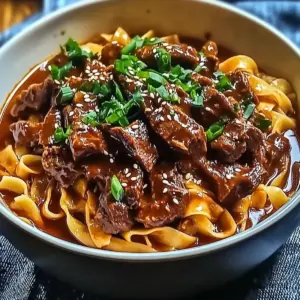

The aroma wafting through my kitchen is enough to transport me straight to a bustling street market in Seoul. Today, I’m thrilled to share my recipe for Korean Beef Noodles—an easy, one-pot meal that embodies comfort food at its best. As the tender beef simmers in a savory broth infused with soy sauce and sesame oil, each ingredient melds together, creating a flavor-packed experience that feels like a warm hug. What’s even better? This recipe is made in a slow cooker, allowing you to set it and forget it. So whether you’re entertaining guests or simply craving a cozy night in, these Korean Beef Noodles are the answer. Ready to dive into this delicious journey? Let’s get cooking!
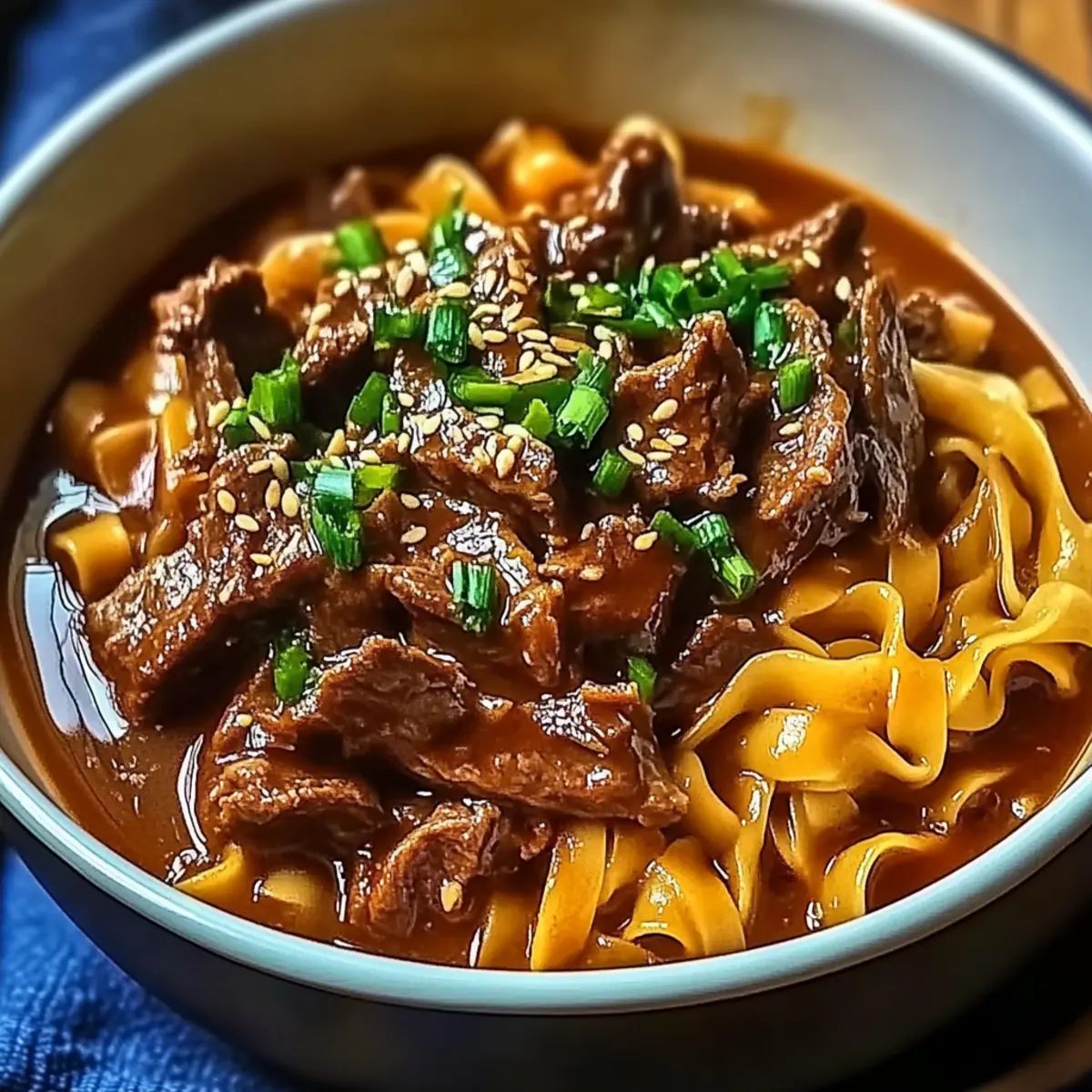
Why Will You Love Korean Beef Noodles?
Unforgettable Flavor: The deep, savory broth infused with soy sauce and sesame oil creates a comforting taste that warms your soul.
Effortless Cooking: Let your slow cooker do the magic! Just toss the ingredients in and enjoy your free time while dinner simmers to perfection.
Hearty and Filling: This recipe offers a satisfying balance of tender beef and noodles, making it an ideal dish to satisfy hunger cravings.
Customizable Options: Substitute proteins or make it vegetarian with mushrooms or tofu for a unique twist that caters to everyone’s preferences.
Perfect for Gatherings: Whether it’s a family dinner or a cozy night with friends, these Korean Beef Noodles are sure to impress and delight your guests!
For more delightful slow cooker recipes, check out my Slow Cooker Beef Ramen or indulge in the comforting flavors of Savory Ground Beef.
Korean Beef Noodles Ingredients
For the Beef
• Beef Chuck – A rich protein that becomes tender when cooked slowly; substitutes like brisket or round can also work.
• Black Pepper – Offers seasoning; adjust to your taste for just the right kick.
For the Broth
• Beef Broth – The base of your savory flavor; low-sodium options help control salt intake.
• Water – Balances the broth’s richness; feel free to add more broth for extra flavor.
• Soy Sauce – Imparts umami notes; switch to tamari for a gluten-free alternative.
• Brown Sugar – Adds sweetness to balance the savory elements; honey or maple syrup can be used as substitutes.
• Ginger (minced) – Lends warmth and spice; both fresh and powdered forms work beautifully.
• Garlic (minced) – Elevates the aroma and flavor; garlic powder could be used in a pinch.
• Sesame Oil – Gives a nutty undertone; for a milder taste, olive oil can come to the rescue.
• Gochujang (Korean chili paste) – Adds heat and complexity; swap it with sriracha if you prefer a milder flavor.
For the Noodles & Garnish
• Noodles (fresh or dried) – The hearty base soaked in broth goodness; use rice for a gluten-free option.
• Green Onions – Fresh garnish to elevate the dish; chives can stand in nicely if needed.
• Sesame Seeds – Optional topping for an extra crunch; crushed nuts can also add texture.
• Fresh Cilantro – An optional touch of freshness; parsley can replace it if you prefer.
With these Korean Beef Noodles ingredients ready, you’re just a few steps away from a comforting, delightful meal that everyone will love!
Step‑by‑Step Instructions for Korean Beef Noodles
Step 1: Prepare the Beef
Begin by cutting the beef chuck into uniform chunks, ensuring even cooking. Season each piece generously with black pepper. This step will build the foundation of flavor in your Korean Beef Noodles. Aim for about 2-inch pieces, which will hold up well during the cooking process.
Step 2: Mix the Sauce
In a large bowl, combine beef broth, soy sauce, brown sugar, minced ginger, minced garlic, sesame oil, and gochujang. Whisk together until the brown sugar is fully dissolved. This savory mixture will infuse the beef as it cooks, creating a rich and flavorful sauce that complements your noodles beautifully.
Step 3: Place in Slow Cooker
Layer the seasoned beef chunks in the slow cooker and pour the flavorful sauce mixture over them. Ensure the beef is well-covered by the sauce. At this stage, you’ll want to admire the vibrant colors and let the slow cooker begin its magic for the Korean Beef Noodles.
Step 4: Cook
Cover the slow cooker with its lid and set it to cook on low for 6-8 hours or on high for 3-4 hours. The beef is done when it’s fork-tender and easily breaks apart. Avoid lifting the lid during cooking to retain heat and moisture, allowing the flavors to meld perfectly.
Step 5: Prepare Noodles
While your beef simmers, cook the noodles according to package instructions in boiling water until they are al dente, typically around 5-7 minutes for fresh noodles. Once cooked, drain them and set aside. The noodles will soak up the delicious broth once combined with the beef.
Step 6: Combine
Once the beef is tender, gently stir in the cooked noodles into the slow cooker, ensuring they are well-coated in the sauce. Let them sit for an additional 5-10 minutes to absorb the rich flavors of the broth. This step makes your Korean Beef Noodles hearty and satisfying.
Step 7: Serve
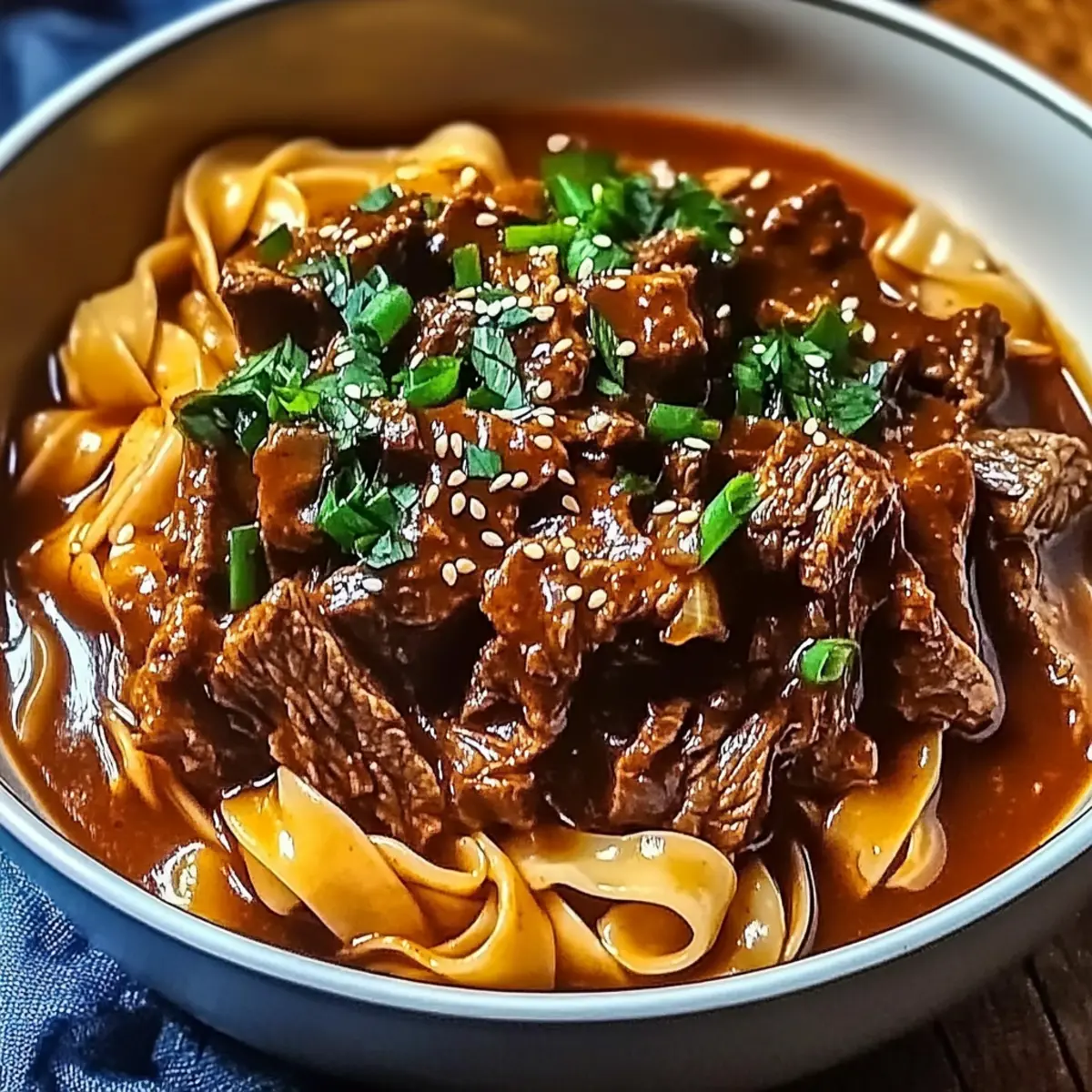
Scoop generous portions of the beef and noodles into bowls. Garnish with chopped green onions, a sprinkle of sesame seeds, and fresh cilantro for added color and freshness. This final touch enhances the presentation and flavor, completing your comforting Korean Beef Noodles beautifully.
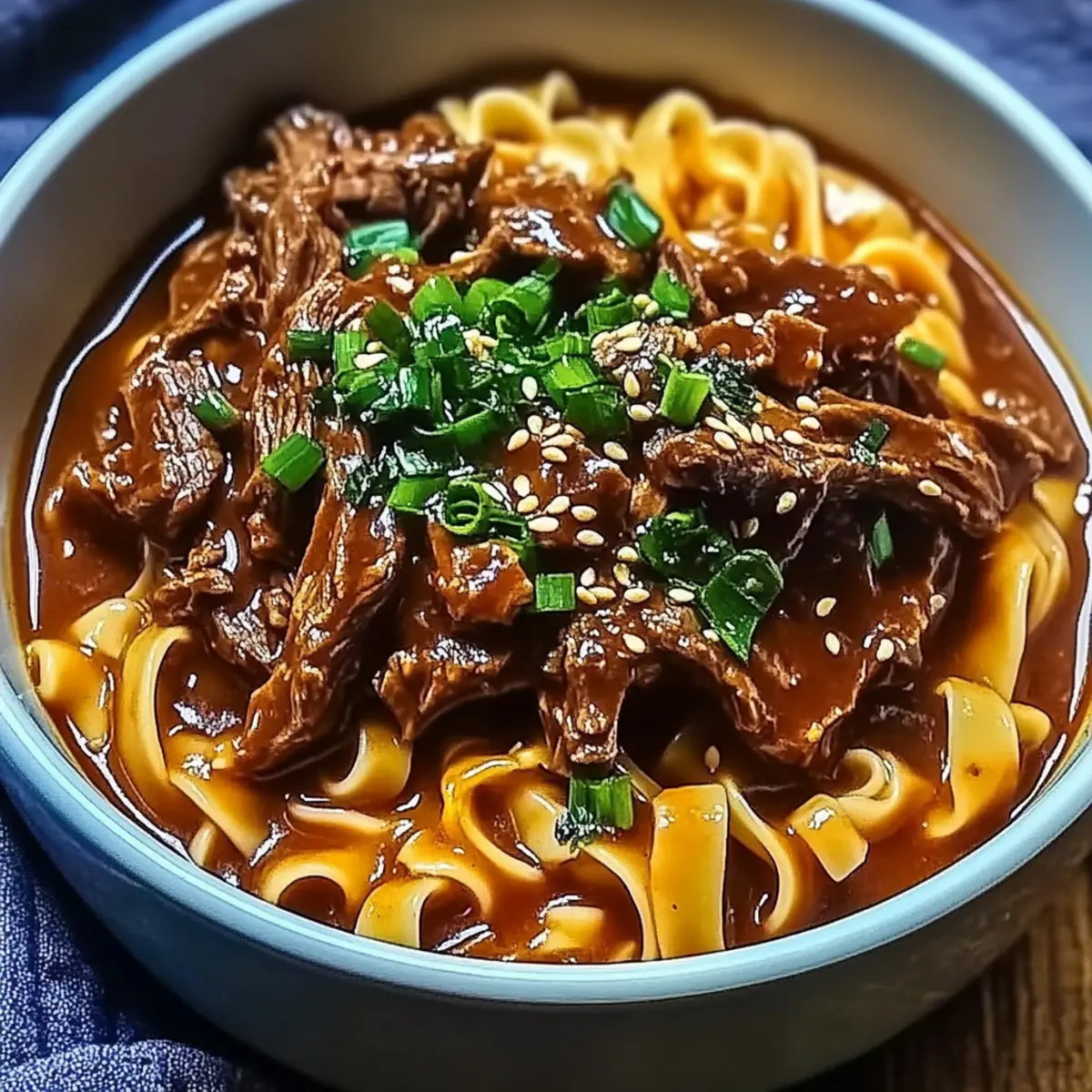
How to Store and Freeze Korean Beef Noodles
Fridge: Store any leftover Korean Beef Noodles in an airtight container in the refrigerator for up to 3 days. Just reheat gently on the stovetop or microwave before serving.
Freezer: For longer storage, freeze the beef and broth mixture separately from the noodles. The beef can last up to 3 months in the freezer. Thaw in the fridge overnight before reheating.
Reheating: When ready to enjoy, reheat the beef mixture on the stovetop until warmed through, then cook fresh noodles according to package instructions to accompany the dish for optimal texture.
Airtight Storage: Make sure to use airtight containers to keep flavors intact and avoid freezer burn, ensuring your Korean Beef Noodles taste as delicious as the day they were made!
What to Serve with Korean Beef Noodles
Enjoy this comforting meal any night of the week by complementing it with delightful sides and beverages that enhance your dining experience.
-
Steamed Vegetables: A mix of broccoli, carrots, and bell peppers adds a vibrant crunch and boosts the nutritional value, creating a well-rounded meal.
-
Kimchi: This spicy, fermented side offers a tangy crunch that contrasts perfectly with the rich, savory noodles, enhancing your flavor exploration.
-
Rice: Serve fluffy jasmine or sticky rice for a satisfying side that soaks up the broth, providing an extra layer of comfort.
-
Pickled Radishes: Their refreshing crispness and mild tartness cleanse the palate between bites of the hearty noodles.
-
Sesame Spinach Salad: A light salad dressed in soy sauce and sesame oil brings brightness and a fresh element that balances the rich Korean Beef Noodles beautifully.
-
Crispy Egg Rolls: These crunchy bites filled with an assortment of vegetables or meats serve as a fun appetizer that complements the main dish’s flavor profile.
-
Chilled Soju: A cool glass of this traditional Korean spirit offers a crisp finish that pairs seamlessly with the spicy notes of the meal.
-
Mango Sticky Rice: For dessert, this sweet treat brings a lovely end to your meal, contrasting the savory flavors with its sweet, creamy goodness.
Korean Beef Noodles Variations & Substitutions
Feel free to get creative with your Korean Beef Noodles! Each twist adds a unique flavor profile to savor.
-
Protein Swap: Substitute beef with chicken or pork for a different protein flavor, adjusting the cook time as necessary.
-
Gochujang Alternative: For a milder dish, you can replace gochujang with sweet chili sauce or simply omit it for a non-spicy version. This way, everyone at the table can enjoy it!
-
Veggie Delight: Use mushrooms or tofu in place of beef for a hearty vegetarian option. Just make sure to cook the mushrooms until they’re golden for a richer flavor.
-
Gluten-Free Noodles: Opt for rice noodles or zucchini noodles to keep this recipe gluten-free and light. They pair wonderfully with the rich broth.
-
Coconut Creamy: Add a splash of coconut milk to the broth for a creamy texture that also brings a subtle sweetness. It’s an unexpected twist that will make your taste buds dance!
-
Sweeteners Variation: Swap brown sugar with honey or maple syrup to provide a different sweet edge to the broth, enhancing its depth.
-
Herb Twist: Instead of cilantro, try using fresh basil or mint as a garnish for a refreshing herbal note that brightens the dish.
-
Extra Spice: If you’re craving heat, toss in some crushed red pepper flakes or fresh sliced jalapeños to take your flavors up a notch!
Now that you’re armed with these variations, feel free to mix, match, and customize to make these Korean Beef Noodles your own! And if you love comforting noodle dishes, be sure to check out my Spicy Drunken Noodles or dive into the cozy flavors of Korean Glass Noodle dishes for more inspiration!
Expert Tips for Korean Beef Noodles
-
Cut Evenly: Make sure to cut the beef into uniform pieces; this ensures even cooking and tenderness throughout the dish.
-
Don’t Peek!: Resist the urge to lift the slow cooker lid during cooking. Every time you do, moisture escapes, affecting the cooking process of your Korean Beef Noodles.
-
Mind the Noodles: If using dried noodles, check package instructions carefully. Cooking times can vary significantly; ensure they are properly timed to achieve the perfect texture.
-
Adjust the Heat: Tailor the spiciness of your broth by adjusting the amount of gochujang or substituting with a milder sauce for a more family-friendly dish.
-
Garnish Generously: Don’t skip the garnishes! Fresh green onions, sesame seeds, and cilantro elevate the flavor, presentation, and overall experience of your meal.
Make Ahead Options
These Korean Beef Noodles are perfect for meal prep, making weeknight dinners a breeze! You can cook the beef and sauce mixture up to 24 hours in advance. Simply allow it to cool, then refrigerate in an airtight container. When you’re ready to serve, reheat the beef mixture on the stove or in the microwave until warmed through, and cook the noodles fresh to maintain their texture. For best results, store prepared noodles separately to prevent them from becoming too soft. This approach not only saves time but ensures your Korean Beef Noodles are just as delicious, bringing you a comforting meal ready in no time!
Korean Beef Noodles Recipe FAQs
How do I know if my beef is fresh?
Absolutely! Look for bright red color with minimal dark spots. The meat should have a firm texture and a clean smell. If there are dark spots all over or it feels slimy, it’s best to avoid it.
What is the best way to store leftovers?
To store your Korean Beef Noodles, place them in an airtight container and refrigerate for up to 3 days. When reheating, do it gently on the stovetop or in the microwave to maintain the quality of the noodles and beef.
Can I freeze Korean Beef Noodles?
Certainly! For freezing, it’s best to separate the broth and beef from the noodles. Place the beef and broth in an airtight container and freeze them for up to 3 months. When ready to enjoy, thaw in the fridge overnight and cook fresh noodles to maintain the best texture.
What if my beef isn’t tender after cooking?
If your beef is still tough after the allotted cooking time, it might need a bit more time in the slow cooker. Consider cooking it for an additional 30 minutes or so. Make sure the lid remains closed to retain heat and moisture; every peek releases steam!
Are there any dietary alternatives for this recipe?
Very! If you’re looking for gluten-free options, substitute soy sauce with tamari and use rice noodles instead of wheat ones. For a vegetarian version, swap the beef for mushrooms or tofu, and adjust the cooking times accordingly.
Can I use different types of noodles?
Definitely! While this recipe typically calls for fresh or dried noodles, you can also use udon, rice noodles, or even zoodles for a healthy twist. Just adjust your cooking times based on the type of noodles you choose.
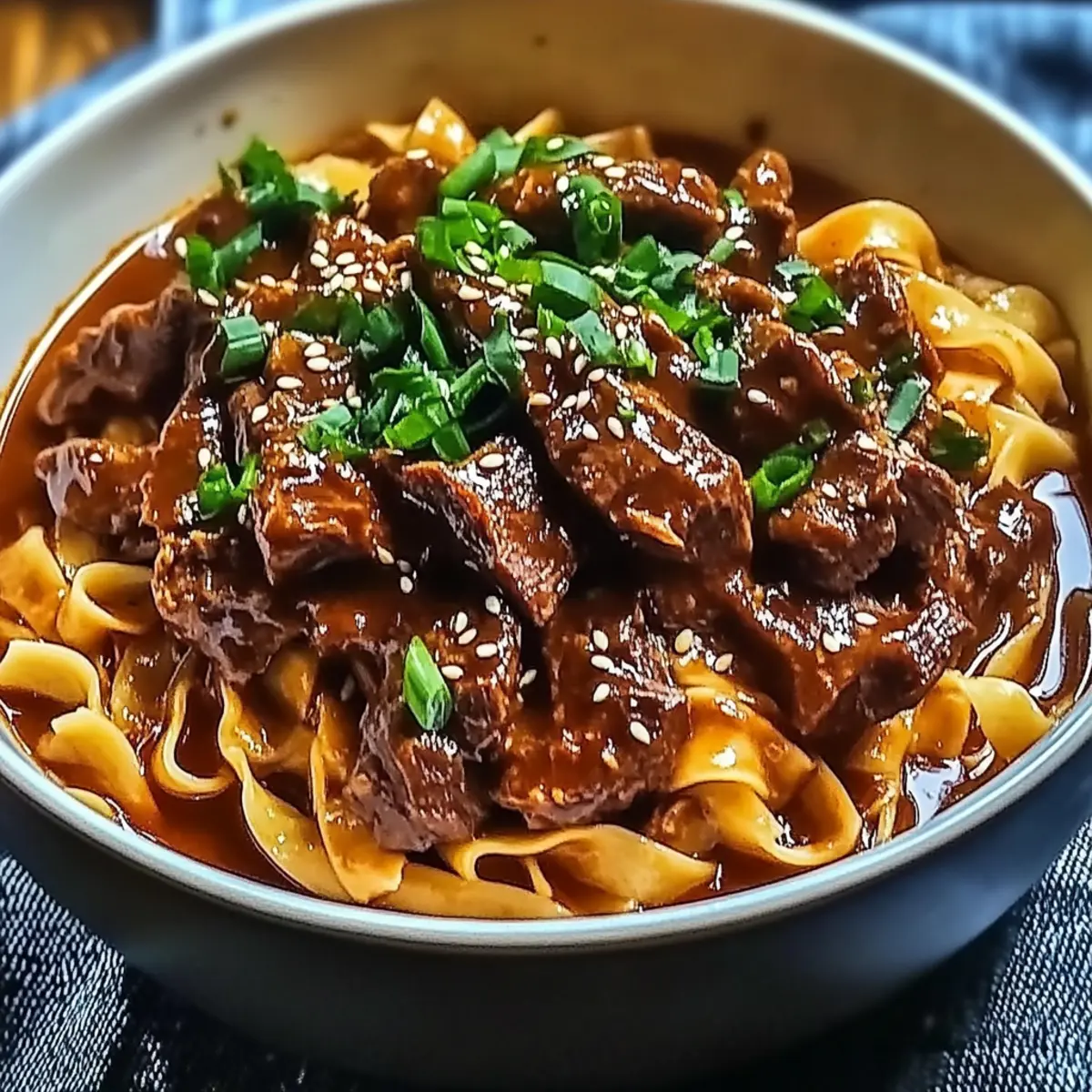
Savory Korean Beef Noodles: Your Comfort Food Fix
Ingredients
Equipment
Method
- Cut the beef chuck into uniform chunks, season with black pepper.
- In a bowl, mix beef broth, soy sauce, brown sugar, minced ginger, minced garlic, sesame oil, and gochujang until dissolved.
- Layer seasoned beef in the slow cooker and pour the sauce over it.
- Cover and cook on low for 6-8 hours or on high for 3-4 hours, until beef is fork-tender.
- Cook noodles in boiling water until al dente, then drain and set aside.
- Once beef is tender, gently stir in cooked noodles into the slow cooker.
- Serve in bowls garnished with green onions, sesame seeds, and fresh cilantro.